By Hills Trip Editors • Spiti Safety Guide 2026 • Updated today
Is Spiti Valley Safe for Travelers?
Yes, Spiti Valley is generally safe for travelers, including:
- couples,
- solo travelers,
- families,
- and bike riders.
However, Spiti is not a regular tourist destination.
It is a remote high-altitude Himalayan region where:
- roads can become unpredictable,
- weather changes quickly,
- medical facilities are limited,
- and driving conditions can sometimes get challenging.
Most problems travelers face in Spiti happen because of:
- poor planning,
- over-speeding,
- rushing the itinerary,
- or ignoring altitude precautions.
If you travel responsibly and prepare properly, Spiti Valley is usually a safe and unforgettable road trip experience.
Quick Safety Overview
| Category |
Safety Level |
| Solo travel |
Safe |
| Couple travel |
Safe |
| Family trips |
Safe with planning |
| Self-drive trips |
Safe for careful drivers |
| Bike trips |
Moderately challenging |
| Winter travel |
Difficult |
| Night driving |
Not recommended |
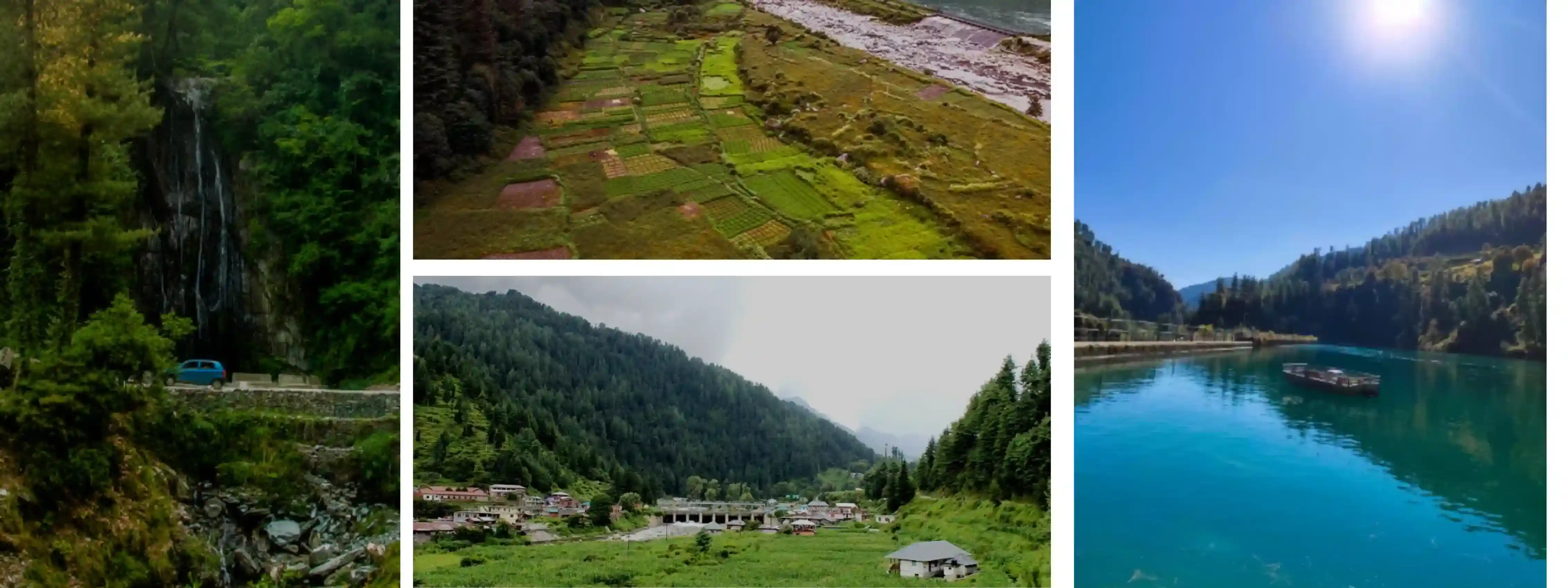
Is Spiti Valley Safe for Self-Drive Trips?
Yes, But Mountain Driving Experience Helps
Thousands of travelers complete self-drive trips to Spiti every year using:
- SUVs,
- hatchbacks,
- rental cars,
- and even sedans.
However, mountain driving conditions are very different from city or highway driving.
What Makes Driving Challenging?
Narrow Mountain Roads
Many stretches have:
- sharp blind turns,
- steep cliffs,
- and narrow roads with limited space.
Patience is extremely important.
Rough Terrain
Roads near:
- Kunzum Pass,
- Chandratal,
- Batal,
- and Gramphoo
can become:
- rocky,
- muddy,
- uneven,
- and full of water crossings.
Long Driving Hours
Even short distances may take:
6–8 hours
because of road conditions.
Driver fatigue is common.
Safety Tips for Self-Drive Travelers
Start Early Every Morning
Best departure time:
6 AM to 7 AM
This helps avoid:
- bad weather,
- heavy traffic,
- and strong afternoon water crossings.
Avoid Night Driving
Night driving in Spiti is risky because:
- roads are isolated,
- visibility becomes poor,
- and roadside assistance is limited.
Try to reach your destination before sunset.
Drive Slowly
Never rush in mountain regions.
Especially near:
- cliff edges,
- landslide zones,
- and water crossings.
Keep Fuel Tank Full
Petrol pumps are limited.
Major fuel stations:
Always refill whenever possible.
Is Spiti Valley Safe for Couples?
Yes, Very Safe
Spiti Valley is considered one of the safer Himalayan destinations for couples.
Locals are:
- peaceful,
- respectful,
- and helpful toward tourists.
Popular areas like:
- Kaza,
- Kalpa,
- Tabo,
- and Sangla
regularly host:
- honeymoon travelers,
- backpackers,
- and solo female travelers.
Safety Tips for Couples
Avoid Isolated Night Travel
Try not to drive long mountain stretches after dark.
Pre-Book Stays During Peak Season
This avoids last-minute accommodation issues.
Keep Offline Maps Downloaded
Network connectivity may disappear in remote areas.
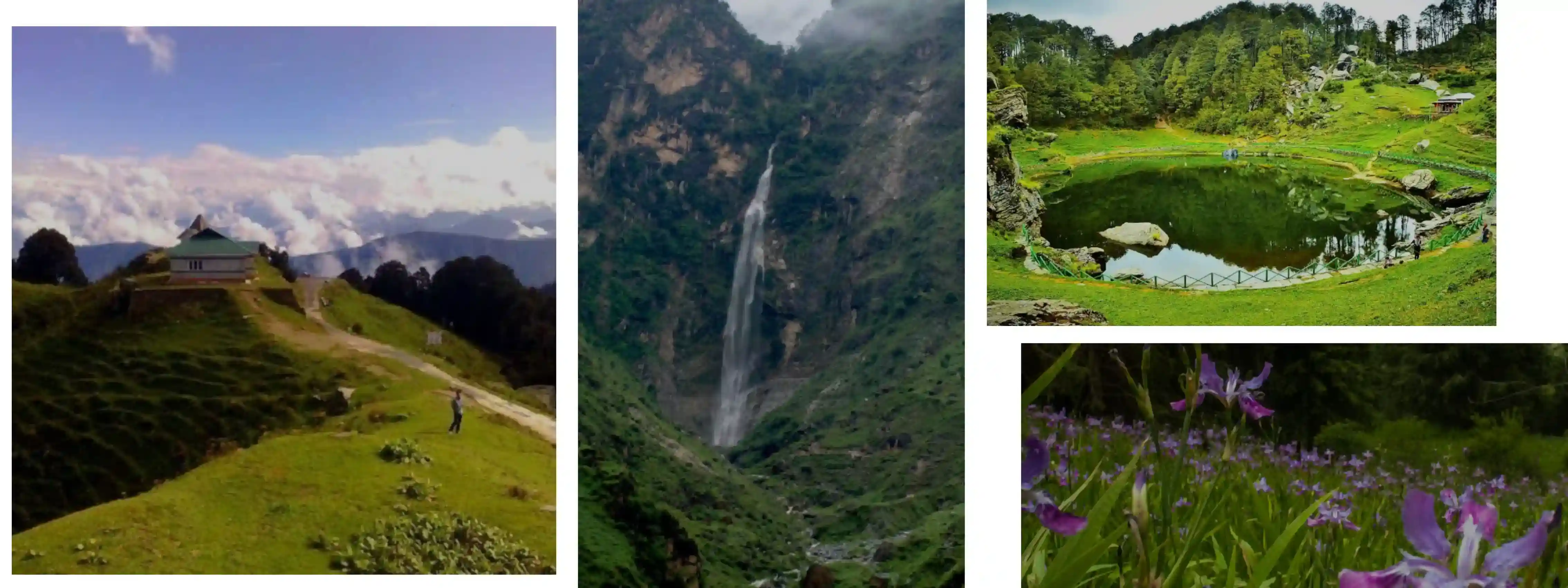
Is Spiti Valley Safe for Solo Travelers?
Yes, Including Solo Female Travelers
Spiti has become increasingly popular among:
- backpackers,
- bikers,
- digital nomads,
- and solo travelers.
The overall environment is calm and traveler-friendly.
Why Solo Travelers Like Spiti
Friendly Backpacker Culture
Places like:
have:
- hostels,
- cafes,
- and social traveler communities.
Safe Villages
Most villages are:
- peaceful,
- less crowded,
- and community-oriented.
Crime against tourists is extremely low.
Important Solo Travel Tips
Share Your Itinerary
Inform friends or family about your route and stay locations.
Carry Cash
ATMs are limited and may not always work.
Don’t Depend Entirely on the Internet
Mobile networks remain weak in many areas.
Is Spiti Valley Safe for Families?
Yes, With Proper Planning
Families regularly visit Spiti Valley, especially during summer.
However, comfortable pacing becomes very important when traveling with:
- kids,
- parents,
- or senior citizens.
Important Family Travel Tips
Choose the Shimla Route
It offers:
- better acclimatization,
- smoother initial roads,
- and lower AMS risk.
Avoid Tight Itineraries
Long driving hours can become exhausting for children and older travelers.
Keep Medicines Ready
Carry:
- fever medicine,
- headache tablets,
- motion sickness medicine,
- and basic first aid.
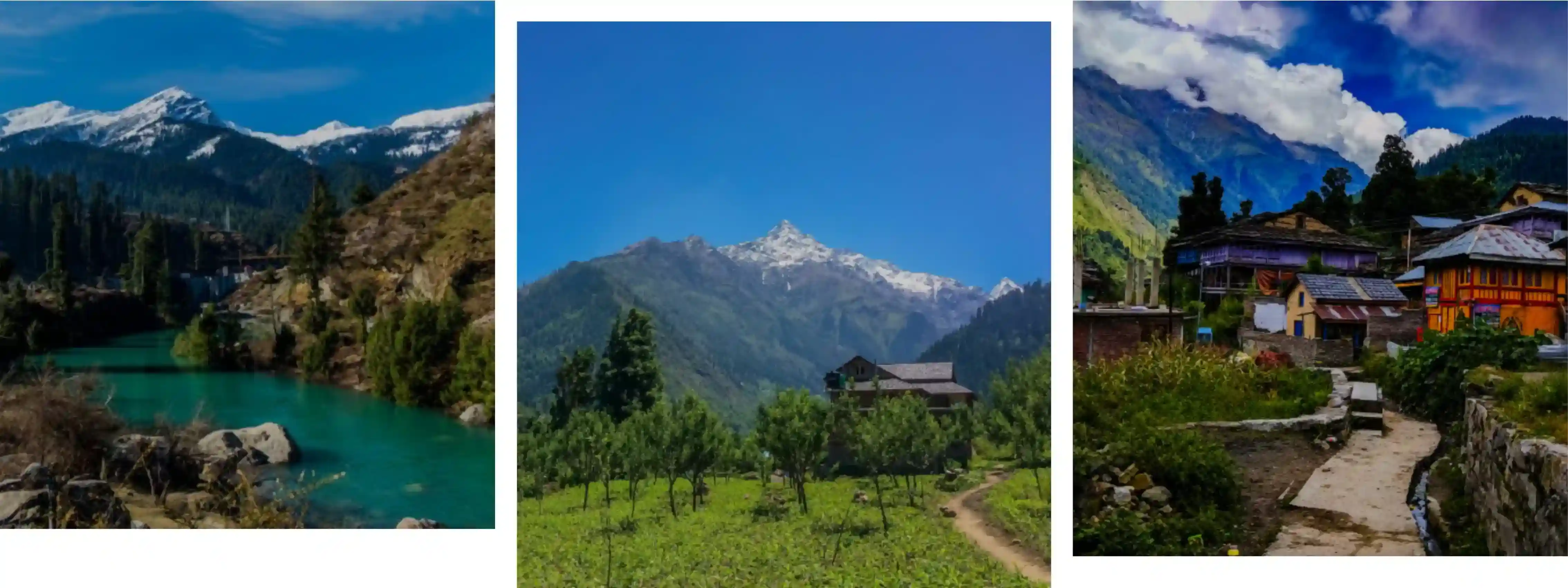
Is Altitude Sickness Dangerous in Spiti Valley?
It Can Be, If Ignored
One of the biggest challenges in Spiti Valley is:
AMS (Acute Mountain Sickness)
This happens because many areas sit above:
12,000 feet
Common Symptoms of AMS
- Headache
- Nausea
- Dizziness
- Breathlessness
- Fatigue
- Loss of appetite
How to Stay Safe From AMS
Acclimatize Properly
This is why the:
Shimla → Kaza route
is strongly recommended.
Stay Hydrated
Drink enough water throughout the trip.
Avoid Alcohol on Initial Days
Especially before reaching Kaza.
Don’t Rush the Itinerary
Sudden altitude gain increases AMS risk.
Is Spiti Valley Safe During Monsoon?
Mostly Safe, But Roads Can Be Unpredictable
Spiti itself receives very little rainfall.
However, roads near:
- Shimla,
- Kinnaur,
- and Manali
may experience:
- landslides,
- roadblocks,
- and falling rocks.
Monsoon Travel Safety Tips
Keep Buffer Days
Always keep:
1–2 extra days
for unexpected delays.
Check Weather & Road Updates
Before starting each day’s drive.
Avoid Driving During Heavy Rain
Mountain roads become slippery and dangerous.
Is Winter Travel Safe in Spiti Valley?
Only for Experienced Travelers
Winter Spiti is beautiful but difficult.
You may face:
- black ice,
- snow-blocked roads,
- extreme cold,
- and limited services.
Winter Travel Challenges
Temperatures Can Drop Below -20°C
Especially during:
Many Hotels & Camps Close
Only limited stays remain operational.
Roads Become Risky
Snow and ice reduce traction significantly.
Recommended Only For
| Traveler Type |
Recommended? |
| Experienced winter travelers |
Yes |
| Snow lovers |
Yes |
| First-time visitors |
No |
| Families with kids |
Not recommended |
Medical Facilities in Spiti Valley
Medical infrastructure is limited.
Major medical help is available mainly in:
Kaza
Smaller villages may only have:
- basic clinics,
- or no medical support at all.
Important Health Precautions
Carry Personal Medicines
Especially for:
- altitude,
- motion sickness,
- fever,
- and stomach issues.
Keep a Basic First-Aid Kit
Include:
- bandages,
- antiseptic,
- pain relief spray,
- and ORS.
Mobile Network Safety
Network connectivity is unreliable in many areas.
Best Working Networks
| Network |
Coverage |
| BSNL |
Best overall |
| Jio |
Works in many regions |
| Airtel |
Limited |
| Vi |
Weak |
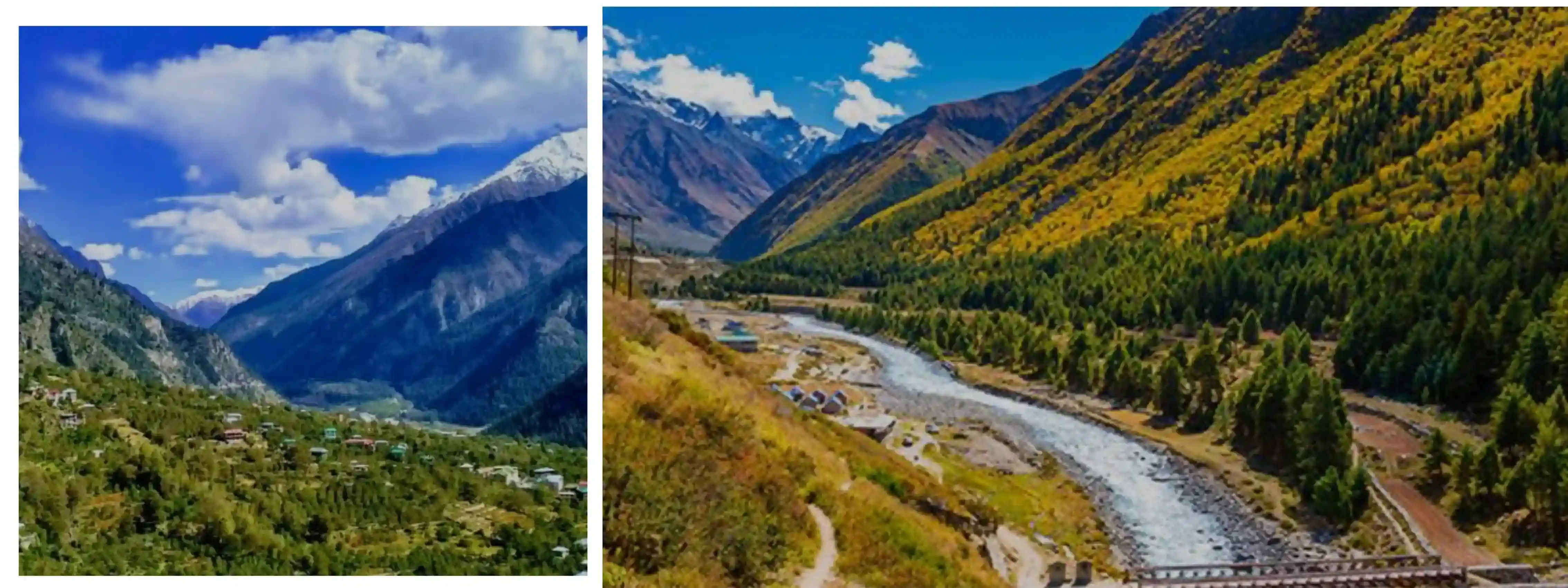
Important Connectivity Tips
Download Offline Maps
Google Maps offline mode is extremely useful.
Inform Family Before Entering Remote Areas
Especially before:
- Chandratal,
- Kunzum Pass,
- and Pin Valley routes.
Common Mistakes That Create Safety Issues
Over-Speeding
Mountain roads are unpredictable.
Driving at Night
One of the biggest mistakes travelers make.
Ignoring AMS Symptoms
Never ignore:
- breathlessness,
- severe headache,
- or dizziness.
Overloading the Itinerary
Too much driving increases fatigue and accident risk.
Poor Vehicle Preparation
Always check:
- brakes,
- tires,
- engine oil,
- and coolant
before the trip.
Quick Safety Checklist
Before leaving for Spiti Valley:
- ✔ Check vehicle condition
- ✔ Carry warm clothes
- ✔ Download offline maps
- ✔ Keep enough cash
- ✔ Carry medicines
- ✔ Avoid night driving
- ✔ Start early daily
- ✔ Keep buffer days
- ✔ Stay hydrated
- ✔ Acclimatize properly
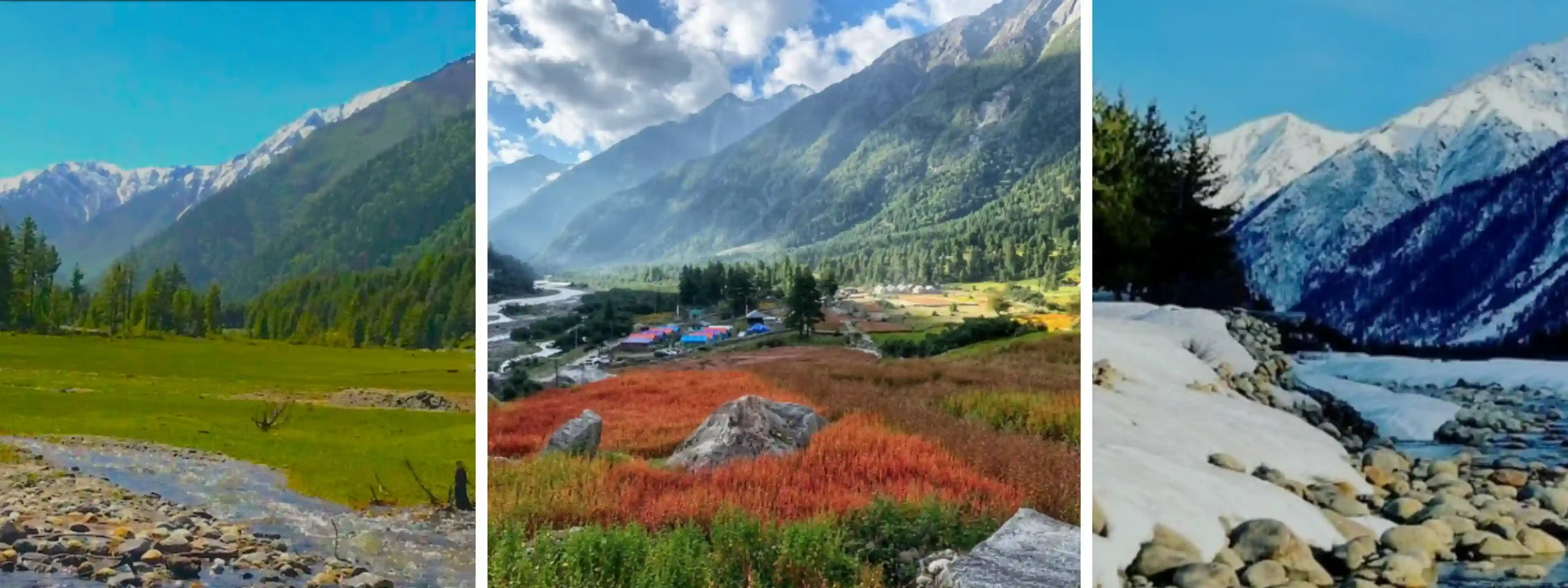
Final Verdict: Is Spiti Valley Safe?
Yes, Spiti Valley is safe if you travel responsibly.
Most travelers complete the journey without major issues.
The key is:
- proper planning,
- slow travel,
- safe driving,
- and respecting mountain conditions.
Spiti is not dangerous, but it does demand preparation and patience.